When to Plant Fall Garlic for a Successful Summer Harvest
Fall garlic is easy to plant but easy to mistime: put it in too early or too late, and you may worry whether it will settle in before winter. Massachusetts gardeners also have to account for differences in local weather and soil. The key is to use the recommended autumn window, prepare a well-drained bed, and let the crop grow at its own pace.
Why fall timing matters for Massachusetts garlic
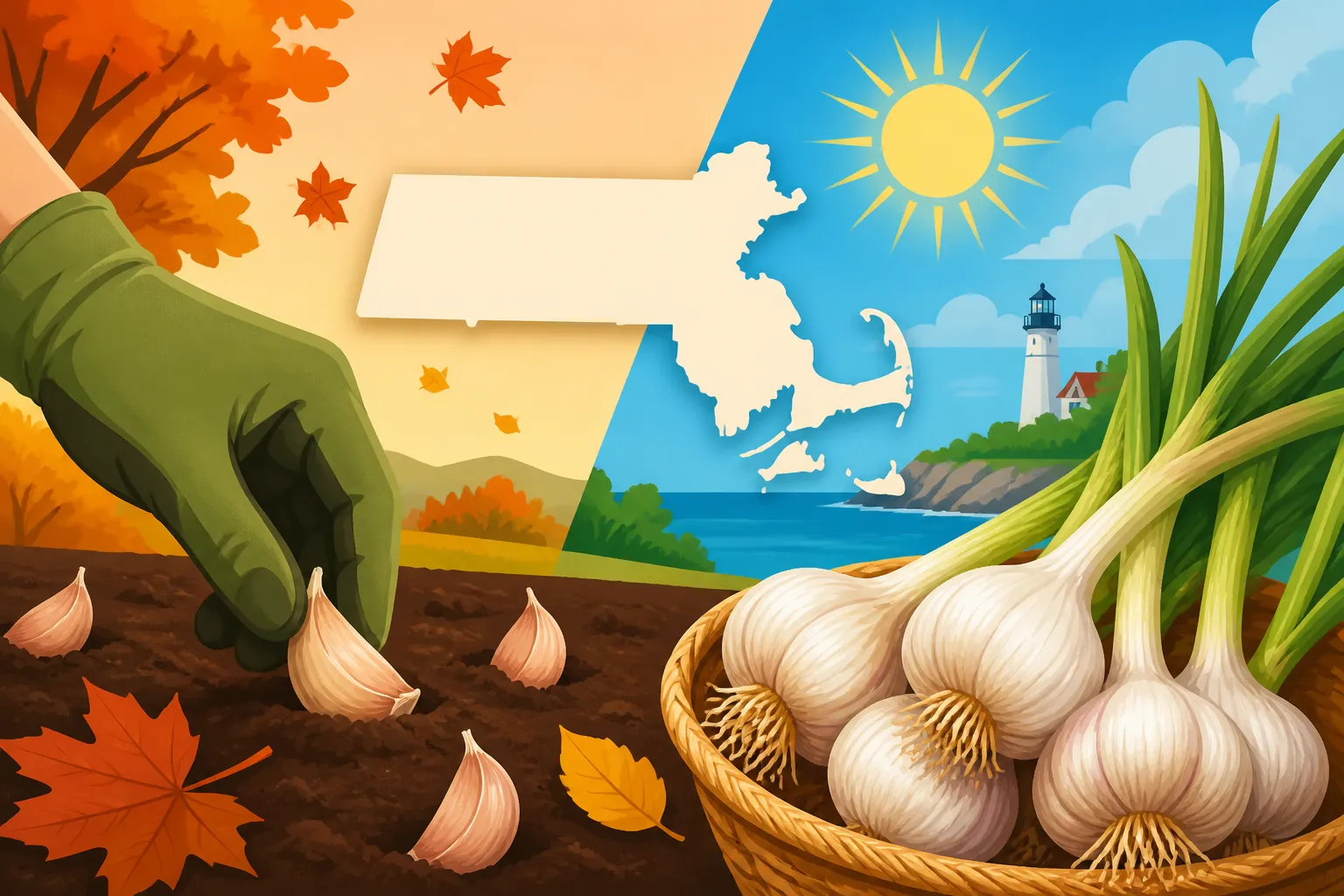
According to the University of Massachusetts Amherst, plant garlic in October/early November for a harvest the following July. That timing gives cloves a chance to establish roots before winter, then continue growing when conditions warm in spring. The date is a useful statewide starting point, not a guarantee that every garden will be ready on the same day.
Garlic planted in autumn is not expected to make a full top growth before winter. The clove is setting up for the next growing season: roots establish in the cool soil, and the plant resumes active growth in spring. A planting date that is much earlier than the recommended window can leave shoots exposed to harsh weather. Planting too late can leave less time for roots to form. In either case, the condition of the bed and the weather around planting time matter along with the calendar.
Massachusetts conditions vary. A garden near the coast can have a different fall pattern from a site farther inland or at higher elevation. Soil may also stay workable in one yard while a colder or wetter spot nearby is already difficult to plant. A statewide calendar is useful for planning, but your own soil and the current conditions should help you decide when to act.
For a broader seasonal overview, see Massachusetts Planting Calendar: From Spring Thaw to Fall Freeze. To compare how planting schedules vary across the state, Massachusetts Vegetable Planting Guide: Schedules by Region can help put the garlic window in context. Frost timing is not the same everywhere, either; Why Massachusetts Has No Single Statewide Frost Date explains why a single date cannot describe every garden.
Aim to have the bed prepared before the planting window arrives. That way, you can plant when the soil is workable rather than rushing to dig in a wet, compacted bed. If the ground is waterlogged, waiting for it to drain is generally more sensible than working it into clods. If conditions turn cold sooner than expected, prioritize getting sound cloves planted in a suitable bed rather than delaying while trying to meet an exact calendar day.
Autumn planting is also a good time to think through what you want from the crop. Garlic types vary in flavor, storage qualities, and how they grow. Choose planting stock sold for growing, and use the seller’s guidance on the type’s suitability for your area. The goal is a healthy planting, not a particular variety name.
Choose and prepare a bed that drains well
Garlic needs a place where water does not sit around the cloves. A sunny garden bed with loose, well-drained soil is a practical choice. Poor drainage can leave cloves vulnerable to rot, especially when cool weather keeps the soil damp. If a bed routinely stays wet after rain, consider another location or improve the bed before planting rather than hoping that mulch or careful watering will solve a drainage problem.
Start by clearing away weeds and old plant debris. Garlic does not compete well with established weeds, so a clean bed makes later care easier. Break up compacted soil without turning it into a fine powder. The aim is a workable planting surface with enough loose soil for roots to grow, not a perfectly smooth bed.
Soil fertility and acidity are worth considering before planting, but avoid adding amendments based on guesswork. A soil test can help show whether an adjustment is appropriate. If you are planning changes for spring, Testing Garden Soil in Late Fall to Plan Ahead for Spring Lime covers how testing can help guide decisions. For general soil preparation, Managing Garden Soil Fertility and Acidity in Massachusetts is a useful companion.
Prepare the surface so you can set cloves at a consistent depth and cover them without leaving hollows that collect water. If you garden in a raised bed, make sure it drains rather than holding excess moisture. For setup considerations, Setting Up Raised Beds for Backyard Food Crops can help with bed planning. A raised bed is not automatically better: it may warm and drain differently from in-ground soil, so watch its moisture rather than assuming it will behave like the surrounding yard.
Garlic is a long-term resident of the bed through the cold season and into summer. Choose a spot that will not be disturbed by digging or routine bed cleanup. Avoid placing it where you will need to walk frequently, or where spring planting plans will force you to remove it early. It also helps to mark the bed clearly after planting, especially if fall leaves or snow later cover the soil surface.
Before planting, check the garlic bulbs for damage or signs of decay. Separate the bulbs into individual cloves close to planting time, taking care not to bruise or strip off the protective skin. Use firm, healthy cloves for planting and set aside damaged ones for kitchen use. If a bulb has soft, discolored, or moldy areas, do not treat it as good planting stock. A sound starting clove gives the crop a better chance than a weak or injured one.
Plant cloves carefully and protect the bed
Separate the bulb into cloves, keeping the papery covering intact as much as possible. The larger, firm cloves are generally the best candidates for planting. Set each clove with its pointed end facing upward and its root end downward. Cover it with soil and firm the surface gently so the clove is in contact with the soil, without packing the bed hard.
Planting depth and spacing can depend on the garlic type, soil, and growing conditions. Follow the planting-stock supplier’s instructions for those details rather than relying on a measurement that may not fit your bed. For a closer look at depth and late planting decisions, see How Deep and How Late to Plant Garlic Cloves in Autumn. The practical priorities are consistent placement, adequate soil cover, and enough room for plants to develop without crowding.
After planting, a layer of mulch can help moderate soil conditions and reduce weed pressure. Use a clean, loose mulch that will not form a dense, waterlogged mat. Straw or chopped leaves are common options; choose what is available and suitable for your bed. Keep the mulch from becoming so compacted that it blocks water and air from reaching the soil. If you use a different cover, check that it is appropriate for the crop and local conditions.
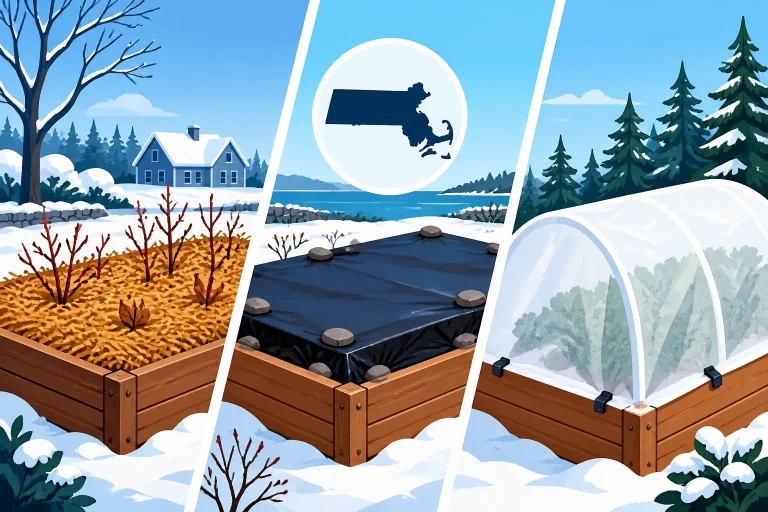
Mulch can also make it harder to see where the row is, so mark the planting area before covering it. A simple garden label or marker helps prevent accidental digging when spring work begins. If you are weighing different bed covers, Winter Protection for Raised Beds: Mulch, Plastic, or Cover discusses the trade-offs of common approaches. The best cover is one that protects the bed without creating a moisture problem or making spring care difficult.
Do not use a cover as a substitute for choosing a site with good drainage. A cover that holds too much moisture against the soil can make conditions worse, and a solid cover may need attention if it warms or traps excess moisture during mild weather. A breathable mulch is usually easier to manage in a home bed. If you use any product or material with specific instructions, follow those instructions and check local guidance where relevant.
Once the bed is planted, avoid repeatedly digging around to check the cloves. Disturbing them can damage new roots and unsettle the soil. Instead, keep track of the planting location, watch how the bed drains after rain, and make sure the mulch remains loose. If the bed is exposed to strong wind or the mulch shifts, restore an even cover without digging into the planted row.
Care for the crop from winter through summer
Garlic does not need constant attention after planting, but it benefits from observation. In winter, check that the bed remains covered and that runoff is not collecting in it. If mulch blows away, replace it. If it becomes matted and soggy, loosen or adjust it so water can move through. These checks are more useful than watering on a fixed schedule when the weather is cool and the soil is already moist.
In spring, look for shoots emerging through the mulch. Remove weeds while they are small, taking care not to pull or disturb garlic plants. Keep the bed clear enough that air can move around the foliage. If spring is dry, check soil moisture before watering; if it is wet, more water is not helpful. How Often to Water Vegetables in Massachusetts Gardens offers broader guidance on making watering decisions in local gardens.
Garlic foliage helps the plant build the bulb, so avoid cutting leaves back simply to make the bed look tidy. If your garlic type produces flower stalks, commonly called scapes, decide how you want to manage them based on the growing guidance for that type. Some gardeners remove scapes to direct growth toward the bulb and use them in cooking, while others leave them. Since types and preferences differ, follow the supplier’s advice and observe how your plants develop.
Weeds deserve attention through the growing season because they compete for light, water, and nutrients. Pulling or cutting weeds while they are small is usually easier than clearing a dense patch later. Be cautious with tools around garlic roots and bulbs. If the bed is mulched, refresh the mulch only as needed to keep weeds down and soil conditions steady.
As harvest approaches, the plant’s appearance can help you judge readiness, but foliage changes are not a precise calendar. Avoid pulling bulbs simply because the weather is warm or because a neighboring garden is harvesting. Conditions, planting stock, and bed moisture can all affect development. If you are unsure, check the guidance that came with your garlic and inspect a plant carefully rather than disturbing the whole bed.
Harvest gently. Loosen soil around the plant before lifting it so the bulb and wrapper are less likely to be damaged. Avoid pulling hard on the foliage, which can separate it from the bulb or tear the plant. After lifting, handle bulbs carefully and let them cure in a dry, airy, shaded place according to the growing instructions for your garlic type. Good curing helps the outer layers dry and makes storage more practical. Do not wash bulbs before curing; brush off loose soil when it is dry.
The first crop is also an opportunity to learn what worked in your yard. Note where the bed was, how it drained, when shoots emerged, and whether weeds or wildlife caused trouble. Make a simple record while details are fresh. These observations can help you adjust the bed or select planting stock for the next season without relying on assumptions about how every Massachusetts garden behaves.
Adjust the plan to your site and avoid common setbacks
A reliable plan combines the recommended autumn timing with local observation. A coastal garden, an inland yard, and a site with a colder exposure can have different soil and weather conditions at the same point in fall. Check whether the soil is workable and whether it drains well, and keep an eye on the forecast as planting approaches. The purpose is not to predict the weather perfectly; it is to avoid planting into unsuitable soil or leaving the task until the bed becomes difficult to work.
Freeze records can offer context, but they are not a direct planting schedule. Massachusetts Frost Dates and Freeze Probabilities: A Station Guide explains how station records are used and why a garden may differ from a nearby weather station. Local frost timing varies from year to year, so use regional records as background, not as a promise about what will happen in your yard.
Common setbacks are often preventable:
- Planting in wet soil: Working saturated ground can compact it and make it harder for roots to establish. Wait until the bed is workable.
- Using damaged cloves: Soft or injured cloves are poor planting choices. Select firm, healthy stock.
- Planting without checking drainage: Standing water can harm the crop. Address the site before planting.
- Forgetting where the row is: Marking the bed helps prevent accidental disturbance during winter cleanup or spring planting.
- Letting weeds take over: Keep the bed accessible and remove competing growth while it is small.
- Treating every year alike: Fall weather shifts. Use the recommended window, then respond to soil condition and the conditions in your own garden.
If planting is delayed, do not assume the crop is lost. Assess whether the ground is still workable, use healthy cloves, and consult the supplier’s advice for planting late. Avoid forcing cloves into frozen or saturated soil. If the bed is no longer suitable, consider whether another protected, well-drained location is available. The relevant choice is a sound planting environment, not simply checking off a date on a calendar.
For planning beyond garlic, Massachusetts Sowing Windows for Cool and Warm Season Vegetables can help coordinate seasonal garden work. Garlic occupies bed space for a long stretch, so make sure spring crops or other projects will not require that area before the garlic is ready. With a prepared bed, healthy cloves, and modest seasonal checks, fall planting can set up a productive harvest without demanding complicated care.
Frequently Asked Questions
Can I plant garlic later if I missed the recommended window?
It may still be possible if the soil is workable and drains well. Use healthy planting cloves and consult the supplier’s guidance for late planting. Avoid working frozen or waterlogged ground.
Should I water garlic after planting?
Check the soil rather than watering automatically. If it is already moist, extra water may be unnecessary; if it is dry, follow sensible watering practices for the bed and conditions.
Does garlic need mulch in winter?
Mulch can help moderate soil conditions and reduce weeds, but it should remain loose and should not keep the bed waterlogged. Choose a suitable material and adjust it if it becomes compacted or soggy.
When should I expect to harvest?
Fall planting is intended for a summer harvest the following growing season. Actual readiness varies with growing conditions and garlic type, so use the supplier’s guidance and observe the plants as they mature.
Sources
- University of Massachusetts Amherst — Garlic – growing tips (checked November 15, 2026)
Disclaimer
This article is for general informational purposes only and does not constitute professional advice. Laws, prices and regulations vary by location and change over time. Consult a qualified professional for guidance on your specific situation. Massachusetts Gardening Guide is not a government agency and is not affiliated with any university extension, state department of agriculture or other government agency.