Massachusetts Vegetable Planting Guide: Schedules by Region
A Massachusetts planting calendar can be misleading when it treats the whole state as one garden. Spring warmth, frost risk, soil conditions, and the length of the growing season vary by location—and a warm spell does not guarantee that planting is safe. This guide explains how to schedule vegetables by region, crop type, and garden conditions instead of relying on a single set of dates.
How to Use a Massachusetts Vegetable Planting Schedule
A planting schedule is a decision aid, not a promise that every bed is ready on a particular day. Use it to narrow down when a crop might fit, then check the conditions where you will grow it. A sunny raised bed can warm sooner than a shaded patch of heavy soil nearby, while a low spot may stay colder than a nearby slope.
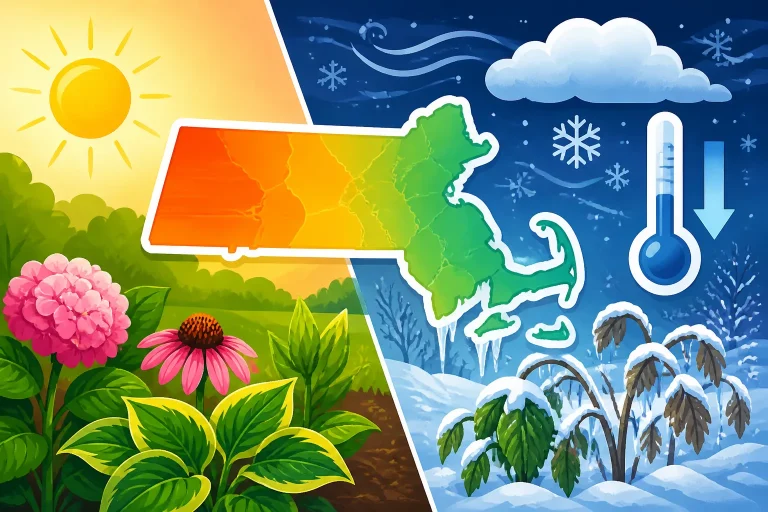
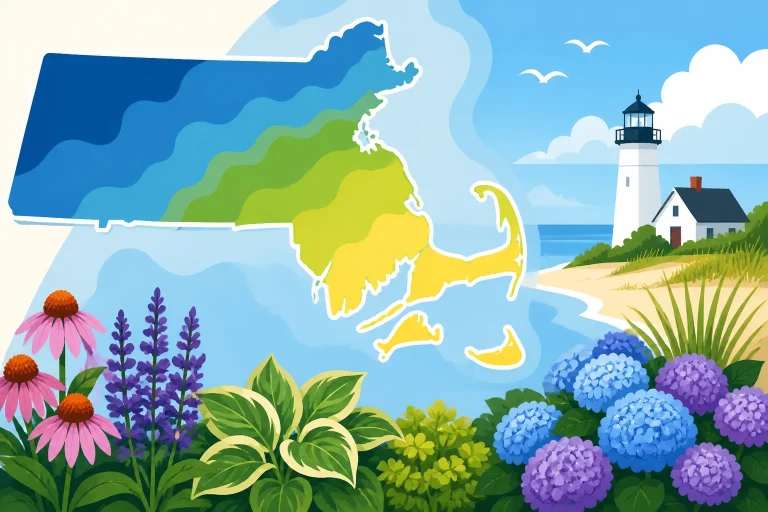
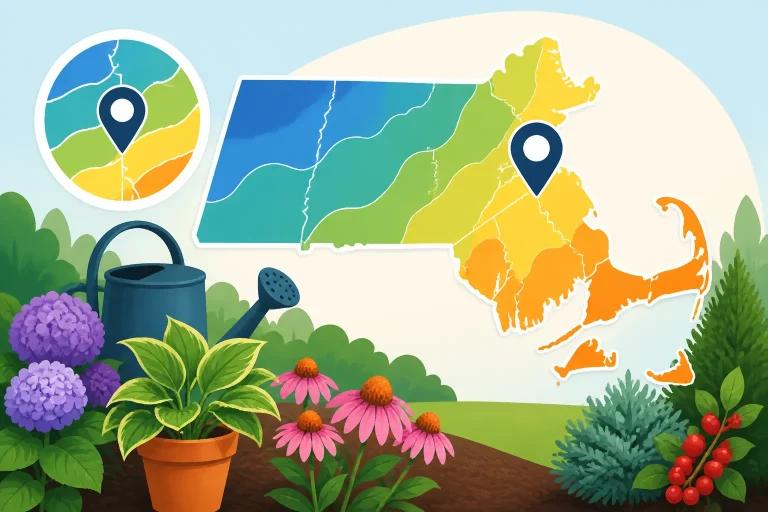
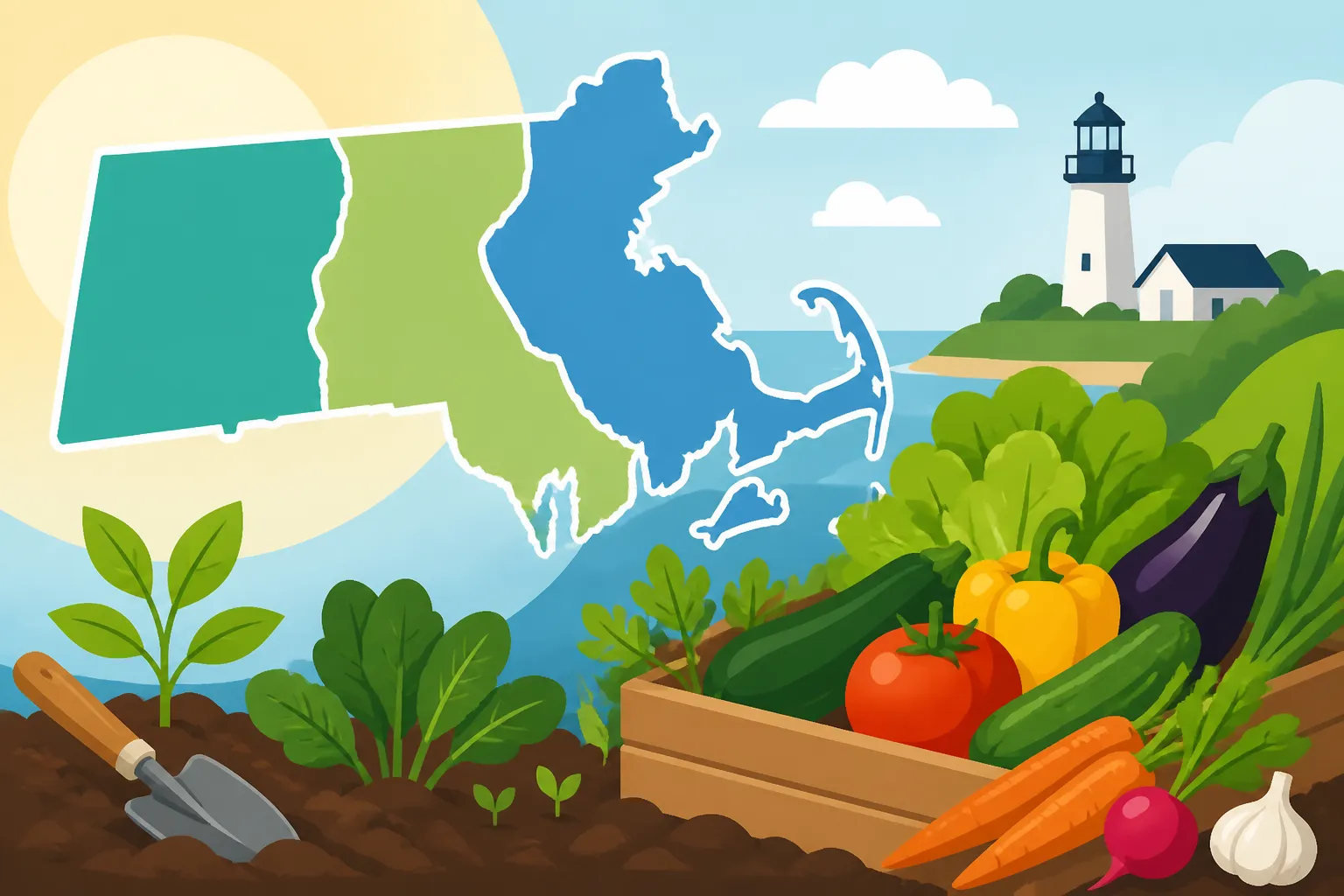
The regional pattern is useful, but it does not replace local observation. According to University of Massachusetts Amherst, planting time may be earlier in eastern and southern Massachusetts and later in western and northern Massachusetts. That describes a broad tendency, not a fixed timetable for every town or garden.
Start with the crop, not the calendar
Vegetables do not all respond to spring conditions in the same way. Some cope with cool air and cool soil; others establish poorly until the ground and nights are warmer. A schedule becomes more useful when it groups crops by what they need.
Cool-season crops, such as peas, spinach, lettuce, and radishes, can usually be considered earlier than heat-loving crops. They are often planted for spring harvest and again for a fall crop. That does not mean they thrive in every cold or wet bed. Seeds still need workable soil, and young plants can be slowed by prolonged chill, waterlogged ground, or an abrupt cold snap.
Warm-season vegetables, including tomatoes, peppers, beans, corn, squash, and melons, need more warmth to establish and grow well. Putting them out because an afternoon feels summery can leave them exposed to cold nights or cold soil. Wait for a sustained change in conditions, and keep tender seedlings protected until the garden is ready.
The difference between direct-sowing and transplanting matters, too. Seeds sown outdoors experience the bed’s conditions from the start. A transplanted seedling may have had a head start indoors, but it still needs to adjust to wind, sunlight, and outdoor temperatures. For help choosing between those methods, see What to Direct-Sow vs Transplant in a Massachusetts Garden.
Treat frost information as a risk estimate
A last-frost date is not a guarantee that frost will not occur afterward. It summarizes past or modeled conditions for a location, while the weather in any particular year can differ. Gardeners also experience frost differently from weather stations: a sheltered urban bed may stay warmer, while a low hollow can collect cold air.
Use frost information to understand the risk, not to make a blind planting decision. Compare a suitable local station with your own site, then consider the crop’s tolerance. The Massachusetts Frost Dates and Freeze Probabilities: A Station Guide explains how to interpret station information, and Why Massachusetts Has No Single Statewide Frost Date covers why a statewide date cannot represent every garden.
For tender plants, combine that background with the short-term forecast and a plan for protection. A forecast can warn of a cold night, but it cannot guarantee the exact temperature at your plants. If a cold snap is expected, postpone transplanting or prepare a suitable cover rather than assuming the average seasonal pattern will hold.
Schedule Vegetables by Growing Conditions
The most useful planting cue is often not a calendar page but the condition the crop needs. Soil that is too cold, wet, or compacted can delay germination and root growth. Air temperatures that seem comfortable to a gardener may still be challenging for a heat-loving vegetable.
Cool-season crops
Peas, spinach, lettuce, radishes, and other cool-season vegetables are the natural starting point for a spring schedule. They generally tolerate cooler conditions better than crops that require summer warmth. Still, workability matters: soil that is saturated or easily packed should not be treated as ready just because the season is advancing.
Before sowing, check whether the bed crumbles when handled rather than sticking in heavy clods. If it is wet and smeary, waiting can protect its structure and make later work easier. Seeds also need suitable contact with the soil; loose, lumpy ground can leave them unevenly buried or exposed.
Spring is not the only opportunity for these crops. Many cool-season vegetables are well suited to a later sowing for autumn harvest. As summer heat eases, the growing conditions may again favor leafy crops and other vegetables that struggle in hot weather. Plan backward from the expected change in season, allowing for the time the crop needs to mature as described on its seed packet. Massachusetts Sowing Windows for Cool and Warm Season Vegetables offers a useful way to think about these different windows.
Warm-season crops
Tomatoes, peppers, beans, corn, squash, and melons are poor candidates for planting into chilly soil. Their seeds may germinate slowly or unevenly, and transplants may stall when nights remain cold. A stretch of warm afternoons is not enough by itself to show that the bed has warmed and the risk of a cold setback has passed.
For direct-sown warm crops, check soil conditions as well as the forecast. The surface can warm quickly while deeper soil remains cool. Sun exposure, drainage, bed material, and recent weather all influence how quickly a planting area changes. A thermometer can help compare beds, but there is no single statewide soil reading that makes every crop safe in every garden.
For transplants, look at both the plant and the outdoor conditions. A seedling raised indoors may be lush and ready to move, but it can be damaged by abrupt exposure to sun, wind, or cold. Harden plants off gradually, and do not set them out simply because they have reached a convenient size. Hardening Off Indoor Seedlings Before Spring Garden Transplanting explains how to prepare starts for outdoor conditions.
Intermediate crops and changing seasons
Some vegetables fall between the familiar cool-season and heat-loving groups. Their best planting window can depend on the variety, the length of the local growing season, and whether the garden can protect them from cold or heat. Read the seed packet or transplant label for crop-specific guidance rather than assuming every vegetable in a broad category behaves alike.
A garden schedule is also a sequence, not just a spring opening date. Once an early crop is harvested, the space can be replanted with a crop suited to the season that follows. Keep notes on when beds become workable, when soil warms, and how quickly crops mature. Those observations help make future plans more realistic than copying a calendar that may have been designed for another part of Massachusetts.
| Crop group | General planting approach | Conditions to check | Common scheduling concern |
|---|---|---|---|
| Cool-season vegetables | Consider for spring and, where suitable, autumn sowing | Workable soil, drainage, and expected heat | Cold, wet soil can slow establishment |
| Tender warm-season vegetables | Hold until outdoor conditions and soil have warmed | Nighttime chill, soil warmth, and frost outlook | A brief warm spell can create a false start |
| Transplants | Harden off and move when the site is suitable | Plant readiness, wind, sun, and cold risk | Indoor growth does not remove outdoor risk |
| Successive plantings | Replant open space with crops suited to the next season | Remaining growing conditions and crop maturity guidance | A late sowing may not mature before conditions change |
Regional Differences Across Massachusetts
Regional patterns can help you decide where to begin, but local exposure can matter as much as a broad regional label. A garden near the coast, in a sheltered neighborhood, on an exposed hill, or in a low-lying yard may not follow the same schedule as a nearby station or another garden in the same county.
Eastern and southern areas
In broad terms, eastern and southern Massachusetts may offer earlier opportunities to begin planting than western and northern parts of the state. That does not mean every coastal or southern garden is ready early. Cool winds, shaded ground, wet soil, and local cold pockets can delay planting, while a protected bed may warm sooner.
Use the regional tendency to decide what to watch first, not to skip checking conditions. Begin by assessing the bed itself: is the soil workable, does it drain, and has it warmed enough for the crop you intend to plant? Then look at the forecast and your own history of cold spots. If you are planning around a local frost record, remember that the record describes a station, not every backyard.
Western and northern areas
Western and northern gardens may need to wait longer for conditions to suit the same crops. Cooler nights, elevation, exposure, or a shorter period of favorable weather can affect when a bed is ready and which crops are practical. The timing can still vary substantially within these areas, so a regional schedule should be a starting point rather than a deadline.
When a crop needs a long stretch of warmth, consider whether your garden can provide it reliably. A sunny, well-drained site may be more favorable than a shaded or wind-exposed bed. Choose varieties with maturity guidance that fits the conditions you can expect, and avoid filling every space with a crop that may need more time than your season can provide.
Microclimates within a town
A town’s climate is not the same thing as the climate of every garden in it. Slopes, walls, paving, tree cover, wind exposure, and drainage affect how quickly a site warms and how cold it gets. A low area can hold cold air, while a protected spot near a building may warm sooner. These differences can shift planting readiness without changing the regional schedule.
Observe your garden over time. Note which bed dries first after rain, where frost lingers, and where seedlings are exposed to wind. Compare those observations with a station’s information, but do not treat a station as a guarantee for a specific address. When a Single ZIP Code Spans Different Microclimates and Why Microclimates Differ from Weather Station Freeze Records explain why local conditions can depart from regional expectations.
A Seasonal Planting Sequence for the Garden
Instead of looking for a single annual start date, plan the garden as a series of opportunities. Each phase depends on the weather, soil, crop, and site. The sequence below is a framework; the actual timing can move earlier or later with local conditions.
Early spring: prepare the bed and begin with cool crops
Start by checking the soil before digging, tilling, or sowing. Wet ground is vulnerable to compaction, and working it too soon can leave a surface that is hard for seedlings to penetrate. Clear winter debris, repair bed edges or supports, and make sure water drains rather than pooling.
When the soil is workable, consider cool-season crops that are suited to early conditions. Peas, spinach, lettuce, and radishes are common choices, but the seed packet’s guidance still matters. If the forecast signals a cold spell, protect emerging seedlings where appropriate or wait for a more favorable stretch.
Seedlings raised indoors need a transition outdoors. Begin hardening them off gradually and keep them from being scorched by sudden full sun or battered by wind. Do not confuse a well-grown indoor plant with a plant that is ready for any outdoor weather. The Spring Vegetable Sowing and Transplanting by Regional Frost Dates article can help you pair planting decisions with local frost context.
As conditions warm: move toward heat-loving crops
As the soil and nighttime conditions become more consistently warm, the garden can shift toward tender crops. This phase is when patience often pays off: tomatoes, peppers, beans, corn, squash, and melons are more likely to establish successfully when cold conditions have eased.
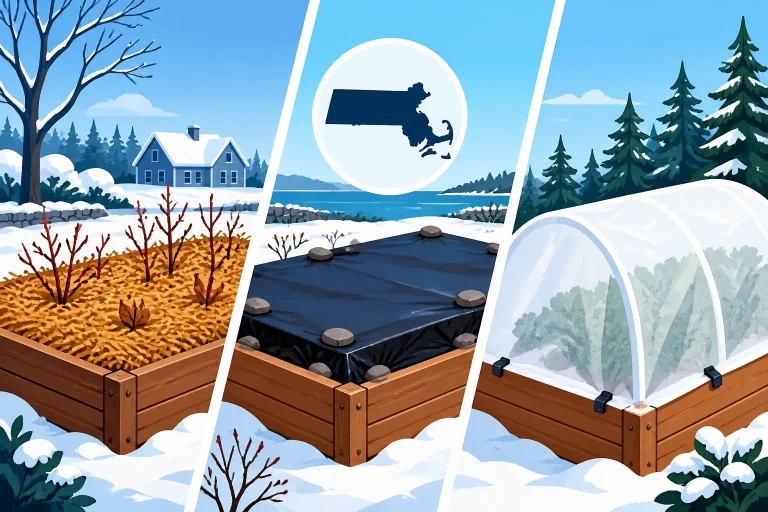
Direct-sow crops that prefer warmer soil only when the bed itself is ready. If you use transplants, harden them off and choose a calm, suitable stretch rather than setting them out before an unsettled forecast. A row cover or other protection may help with some brief cold exposure, but it is not a substitute for appropriate planting conditions. Covers can also trap heat during sunny weather, so monitor covered plants and follow product directions for any materials used.
Summer: keep beds productive without forcing unsuitable crops
During summer, the challenge may change from cold soil to heat, drying beds, and crops nearing the end of their productive period. Keep a record of which plantings are still producing and where space is likely to open. That makes it easier to prepare for a later sowing rather than leaving a bed vacant until autumn.
Some cool-season vegetables can struggle during hot weather, even if they grew well in spring. Avoid sowing them into a dry, exposed bed without considering shade, moisture, and the heat they will face as they establish. A spot with some protection may help, but poor drainage or excessive shade can create other problems. Match the crop to the bed rather than assuming every open space is suitable.
Regularly harvesting vegetables that are ready can also help keep a planting productive, depending on the crop. Check plants for signs of stress and respond to the cause rather than treating all poor growth as a water problem. Heat, compacted soil, pests, and disease can produce symptoms that look similar.
Late summer and autumn: plan backward for harvest
A fall planting is not simply a spring planting moved later. Days become shorter, temperatures trend downward, and crops have less favorable growing time as the season advances. Use the crop’s maturity information and the conditions expected for your area to decide whether a sowing has a reasonable chance to finish.
Prioritize crops that can handle cooler weather and are appropriate for the time remaining. Keep an eye on the forecast, and prepare covers or other protection if you intend to extend harvest. A cover can reduce exposure, but it cannot make every crop suited to every late sowing. See Massachusetts Fall Vegetable Gardening: Late Crops and Frost Covers for additional planning considerations.
For a broader seasonal overview, Massachusetts Planting Calendar: From Spring Thaw to Fall Freeze connects planting decisions across the growing season. Use it alongside local observation, not as a reason to plant by date alone.
Crop-by-Crop Planning Without a One-Date Rule
A useful schedule names the crop, identifies what it needs, and leaves room to adapt. The notes below are broad planning guidance, not a promise that every variety will behave the same way. Check the seed packet or plant label for variety-specific information, and match it to conditions in your garden.
Peas, spinach, lettuce, and radishes
These crops are often among the first vegetables considered for a spring garden because they are suited to cooler conditions. They still need a bed that can be worked without damaging its structure. If the soil is saturated, wait. If the site is exposed and a cold snap is forecast, consider delaying sowing or protecting the planting.
They can also be candidates for a later sowing when conditions become more favorable for cool-weather growth. Keep summer heat in mind when selecting a site and planning the sowing. A crop that bolts or struggles in heat may do better when its establishment period avoids the hottest conditions.
Roots and alliums
Carrots, beets, onions, and related crops need attention to both soil texture and planting method. Root vegetables can be misshapen in stony or compacted ground, so prepare a suitable seedbed without working soil when it is too wet. Follow the crop’s seed-depth and spacing instructions on the packet rather than using a generic rule.
Onions and similar crops may be started from seed, sets, or transplants, depending on what is available and what the gardener prefers. Those approaches do not share exactly the same schedule. Confirm the requirements for the material you are planting and consider how much time remains for it to establish and mature.
Beans, corn, and cucurbits
Beans, corn, cucumbers, squash, and melons generally fit the warmer part of a planting plan. The bed should be warm enough for the crop, and the forecast should not suggest a likely return to damaging cold. Direct sowing avoids transplant shock for crops that prefer not to have their roots disturbed, but it makes germination more dependent on the garden soil.
For plants started indoors, handle roots carefully and avoid moving them outside abruptly. If conditions are still uncertain, holding seedlings briefly in a suitable place may be safer than planting into cold ground. Do not keep them indoors indefinitely without considering their light, space, and root development.
Tomatoes and peppers
Tomatoes and peppers are popular, but their popularity does not make them tolerant of cold conditions. Wait for the garden to be ready, acclimate indoor starts gradually, and provide a site with suitable sun and drainage. If the plants encounter a cold spell after transplanting, growth may pause or foliage may be damaged.
If a transplant looks stressed, assess the weather, soil moisture, and roots before adding fertilizer or other treatments. A plant can appear weak because it is chilled, overwatered, underwatered, or damaged during handling. Trying to correct the wrong problem can add stress rather than solve it.
Brassicas and other later-season crops
Cabbage-family vegetables and other cool-weather crops can be planned for a spring or autumn harvest, depending on the variety and local growing conditions. A late-season planting needs enough time to establish and develop before cold weather limits growth. Use the seed packet’s maturity information and plan around your own garden’s seasonal pattern.
If starting seedlings indoors for a fall bed, the schedule should account for their time indoors as well as the time they need outdoors. Keep seedlings healthy and avoid letting them become crowded or stressed while waiting for the bed to open. A succession plan can make the most of space once an earlier crop is harvested.
Make the Calendar Fit Your Garden
The best schedule is one that improves each year as you learn how your site behaves. A small amount of consistent recordkeeping can reveal patterns that a statewide chart cannot show. Note what you planted, the condition of the soil, the weather around planting, and how the crop performed. Write down whether a bed stayed wet, warmed quickly, or repeatedly had frost damage.
Keep practical planting notes
A garden log does not need to be elaborate. Record the crop and variety, whether it was direct-sown or transplanted, and the bed where it grew. Add a short note about the conditions: wet or workable soil, warm or chilly nights, and any protection used. Later, record when the crop emerged, how it grew, and whether it matured as expected.
Those details help separate a scheduling problem from a soil or plant-health problem. If a crop repeatedly fails to establish in one location, the cause may be drainage, shade, soil structure, pests, or disease rather than a statewide planting window. If one bed is consistently ready before another, use that knowledge to stagger sowing instead of planting every bed at once.
Protect against false starts
A false start happens when a short spell of favorable weather encourages planting before conditions are reliably suitable. Tender crops are especially vulnerable. Before committing seedlings to the garden, check the forecast, soil conditions, and the crop’s needs. Keep a backup plan for cold-sensitive plants, such as delaying transplanting or using a suitable protective cover.
Protection has limits. Covers can buffer plants from some conditions, but their effect depends on the material, how it is installed, and the weather. They can also heat up on sunny days. Follow the product instructions and check covered plants rather than assuming a cover solves every risk.
Adjust for soil and bed design
Raised beds, containers, and in-ground plots can warm and dry at different rates. A raised bed may become workable earlier than a poorly drained area, but it can also dry faster. Containers offer flexibility but have less soil volume than an in-ground bed, so their moisture and temperature can change quickly.
The planting schedule should account for those differences. Check moisture below the surface instead of relying only on how the soil looks from above. Improve drainage and soil structure where needed, and avoid planting into ground that is compacted or saturated. If you are setting up a new growing space, Setting Up Raised Beds for Backyard Food Crops provides related planning guidance.
Use local guidance for dates, labels, and unusual conditions
Regional schedules are useful for planning, but current forecasts and crop-specific instructions matter at planting time. Consult local frost information when tender plants are involved, and review the seed packet or plant label for sowing depth, spacing, and maturity guidance. If conditions are unusual, such as an extended cold period or an abrupt heat spell, adjust the plan instead of following the calendar mechanically.
For a full overview of crop choices and garden planning, Massachusetts Home Vegetable Garden Guide can help connect planting schedules with site preparation and ongoing care. The goal is not to find a perfect date. It is to recognize when a particular crop and a particular bed are likely to work together.
Frequently Asked Questions
Can I use one planting calendar for all of Massachusetts?
Use a statewide calendar as a starting point, then adapt it to your region and garden. Conditions differ across the state and between nearby sites, so check the soil, forecast, and crop requirements before planting.
Should I plant warm-season vegetables after a warm spell?
Not necessarily. A brief warm spell does not prove that the soil and nighttime conditions are suitable. Check the forecast and the planting site, and wait if the crop would be exposed to cold conditions.
Are spring planting dates guaranteed frost-free dates?
No. A frost estimate describes risk based on a location’s records or other information; it does not guarantee what will happen in a particular garden. Consider local exposure and have a plan for tender plants.
Can I plant cool-season vegetables in autumn?
Often, but the crop needs enough favorable growing time to establish and mature. Use the seed packet’s guidance, account for your local conditions, and consider protection if colder weather is approaching.
Sources
- University of Massachusetts Amherst — vegetable_planting_chart_1%20%281%29.pdf?utm_source=openai (checked November 15, 2026)
Disclaimer
This article is for general informational purposes only and does not constitute professional advice. Laws, prices and regulations vary by location and change over time. Consult a qualified professional for guidance on your specific situation. Massachusetts Gardening Guide is not a government agency and is not affiliated with any university extension, state department of agriculture or other government agency.